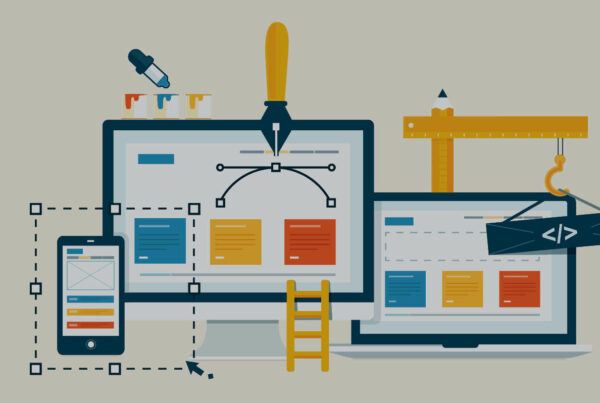


In the dynamic landscape of web development, staying updated with the latest trends is crucial to ensure your websites and applications remain relevant, user-friendly, and high-performing. As technology continues to evolve, new trends emerge, shaping the way developers create and users interact with online platforms. Let’s dive into some of the latest web development trends that can help you stay ahead of the curve.
1. Responsive Web Design and Mobile-First Approach
With the ever-increasing use of mobile devices, responsive web design and a mobile-first approach have become essential. Websites must seamlessly adapt to various screen sizes and devices, providing users with a consistent and enjoyable experience. This trend emphasizes designing for mobile devices first and then scaling up for larger screens, ensuring that the user experience remains optimal regardless of the device used.
2. Progressive Web Apps (PWAs)
Progressive Web Apps are a hybrid of websites and mobile applications, combining the best of both worlds. They offer features such as offline access, push notifications, and smooth performance, blurring the line between web and native apps. PWAs enhance user engagement and satisfaction by providing fast loading times and an app-like experience without the need for installation.
3. Single Page Applications (SPAs)
Single Page Applications have gained traction due to their ability to create smooth, dynamic user experiences. SPAs load content dynamically, eliminating the need for full-page reloads and resulting in faster navigation. By leveraging technologies like React, Angular, or Vue.js, developers can build responsive and interactive applications that feel seamless and user-friendly.
4. API-First Development and Headless CMS
API-first development involves building the application’s backend first, focusing on creating robust APIs before developing the frontend. This approach allows for greater flexibility in designing user interfaces for various platforms. Headless Content Management Systems (CMS) complement API-first development by separating content creation from presentation. This enables developers to deliver content to multiple channels, such as websites, mobile apps, and even IoT devices.
5. WebAssembly (Wasm)
WebAssembly is a game-changer that empowers developers to run high-performance code written in languages like C++, Rust, and Go directly in web browsers. By compiling code to a low-level binary format that browsers can execute at near-native speeds, WebAssembly opens the door to creating complex applications, like video editing or gaming experiences, that were previously limited to native environments.
In conclusion, keeping up with the latest web development trends is vital for delivering exceptional user experiences and maintaining your competitive edge. From responsive design and mobile-first approaches to embracing technologies like PWAs, SPAs, API-first development, and WebAssembly, these trends offer new ways to create efficient, engaging, and innovative web applications. By adopting and adapting to these trends, developers can ensure their projects remain at the forefront of the digital landscape, meeting the evolving needs and expectations of users in an ever-changing online world.