
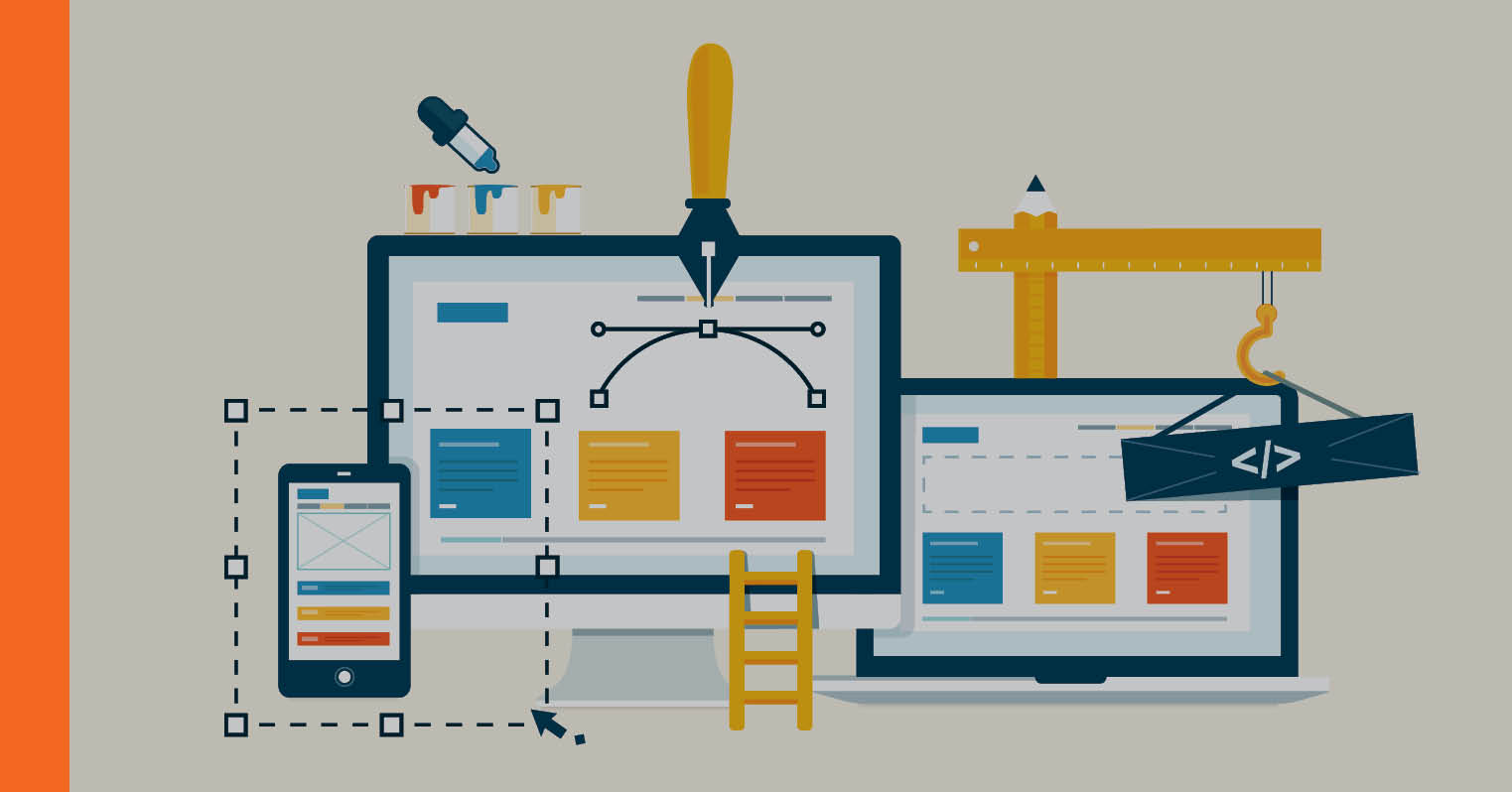

In today’s digital age, a robust and user-friendly Content Management System (CMS) is essential for managing and maintaining your website efficiently. Selecting the right CMS is a critical decision that can greatly impact your website’s success. This comprehensive guide will walk you through the key factors to consider when choosing the perfect CMS for your specific needs.
1. Define Your Goals and Needs
The first step in selecting the right CMS is to clearly define your website’s goals and requirements. Are you building a blog, an e-commerce site, a portfolio, or a news outlet? Understanding your content needs, user interactions, and future growth plans will help you identify the features and functionalities you require. For instance, if you plan to sell products online, an e-commerce-specific CMS like WooCommerce for WordPress might be suitable.
2. Ease of Use and User Interface
A user-friendly interface is crucial, especially if you’re not a web development expert. The CMS should enable you to easily create, edit, and organize content without a steep learning curve. Popular CMS options like WordPress, Joomla, and Drupal offer intuitive interfaces and extensive documentation, making them accessible to users of all skill levels.
3. Ensure Scalability and Flexibility
Consider your website’s long-term growth potential. Your chosen CMS should be able to adapt and scale as your needs change. A flexible CMS allows for easy integration of additional features and extensions. WordPress, for instance, offers a vast ecosystem of plugins and themes that can enhance your website’s functionality and appearance.
4. Check Security and Maintenance
Security is paramount in today’s online landscape. Ensure your CMS regularly releases updates and security patches to protect your website from vulnerabilities. Additionally, look for a CMS with an active user community and support system that can help you troubleshoot issues and keep your site secure. Platforms like Drupal and Joomla have strong security measures in place.
5. Consider Budget and Total Cost of Ownership (TCO)
Take into account your budget, not just for initial development but for ongoing maintenance and upgrades. Some CMS options are open-source and free, while others require licensing fees or paid add-ons. Factor in hosting costs, theme or template expenses, and the cost of any necessary plugins or extensions. Make a budget that covers the TCO to avoid unexpected expenses down the road.
In conclusion, selecting the right CMS for your website is a crucial decision that impacts your site’s functionality, scalability, and long-term success. By carefully defining your goals, assessing usability, scalability, security, and budget, you can make an informed choice. Remember that what works best for one website may not be ideal for another, so take your unique needs and preferences into account when making your decision. With the right CMS in place, you’ll have a solid foundation for building and maintaining a successful online presence.