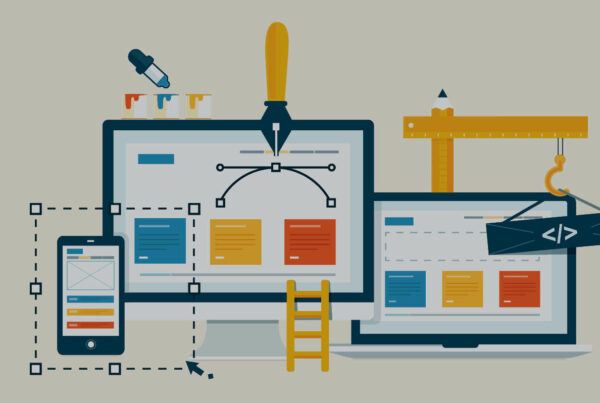


Responsive web design is no longer just a “nice-to-have” feature for businesses. In today’s digital landscape, it’s a crucial element to ensure an optimal user experience across all devices. Responsive web design is a technique that allows websites to adapt to different screen sizes, ensuring that users can access content easily on their device. This technique reduces the need for separate desktop and mobile websites, which can be costly and time-consuming to maintain. By unlocking the power of responsive web design, businesses can improve their website’s user experience and attract more customers to their website.
One of the benefits of responsive web design is that it increases user engagement. Users are more likely to interact with a website that is easy to navigate and access on their device. By providing a seamless user experience, businesses can increase the likelihood of conversions and improve customer satisfaction.
In addition, responsive web design can improve a website’s search engine rankings. Search engines like Google prioritize mobile-friendly websites in their search results, which can result in increased traffic to a business’s website. This, in turn, can increase the potential for conversions and revenue.
To unlock the power of responsive web design, businesses must ensure that their website is designed with mobile devices in mind. This means prioritizing mobile users’ needs, such as ensuring that content is easy to read on a small screen and providing clear and concise navigation. Businesses must also optimize their website speed, as slow loading times can negatively impact user engagement and search engine rankings.
Finally, businesses must test their website thoroughly across a range of devices to ensure that it provides an optimal user experience on all platforms. This can involve using tools such as Google’s Mobile-Friendly Test, which can identify issues that may negatively impact mobile users’ experience.
In conclusion, responsive web design is essential for modern businesses that want to provide an optimal user experience across all devices. By prioritizing mobile users’ needs, optimizing website speed, and testing thoroughly, businesses can unlock the power of responsive web design and attract more customers to their website. The benefits of responsive web design are numerous, including increased user engagement, improved search engine rankings, and a reduction in the need for separate desktop and mobile websites.